of women have hot flashes or night sweats
during the menopause transition, according to the SWAN study team. Source
Hot flash tracker
A calm way to record hot flashes during perimenopause, see their timing over weeks and months, and bring a clear record to your appointment. On iPhone and Android.
Published · By Himanshu Saxena, creator of Svarene


during the menopause transition, according to the SWAN study team. Source
among 1,449 SWAN participants with frequent symptoms. It was longer for those whose symptoms began early. Source
is typical, according to Mayo Clinic. Night sweats are hot flashes during sleep. Source
What a hot flash is
Your skin may redden and you may sweat, then feel chilled as it passes. Some people also notice a faster heartbeat or a rush of anxiety. When it happens during sleep it’s called a night sweat, and it can wake you up.
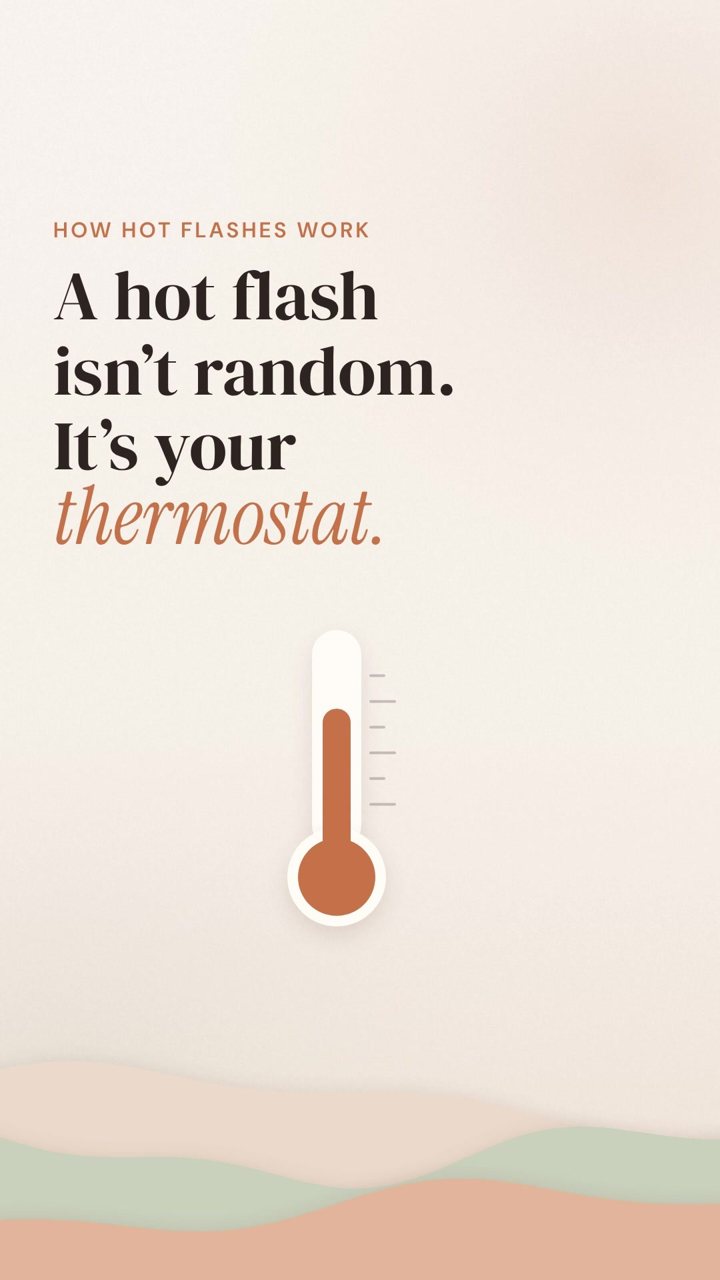
Hot flashes are the most common symptom of the menopause transition. They can start in perimenopause while periods are still coming, sometimes years before the last one.
How long they last
In the SWAN study, women with frequent hot flashes or night sweats had them for a median of 7.4 years. Women whose symptoms started while they were still premenopausal or early in perimenopause had them the longest, a median of more than 11.8 years.
These are group figures, not a forecast for you. They are one reason a record that covers months, not days, is useful.
What to record
You don’t need to record everything. These details answer the questions clinicians most often ask:
Tracking hot flashes in Svarene
Log a hot flash with its severity and time of day. In Explore (Premium), Timing shows which part of the day your hot flashes fall in and how many happened at night. Sequences shows what you logged before and after them.
With weather context turned on, Svarene puts the local temperature, air quality and pollen beside your logs. Everything describes your own records. It can’t tell you what causes your hot flashes.


Screens shown are from the Svarene app. Aurora is a fictional example profile.
What research says about heat
In one 2024 study, women aged 45–55 wore temperature monitors in daily life. A rise in temperature right around the body, measured under the covers at night, was associated with higher odds of a self-reported hot flash during sleep. Humidity wasn’t linked, and the daytime findings weren’t significant.
That is a group finding from short observation, not proof that heat causes your hot flashes. Keeping your room cool is still standard advice from Ireland’s health service, the HSE.
When to talk to a clinician
Mayo Clinic advises talking to a healthcare professional when hot flashes affect your daily activities or your sleep. Treatments can help: hormone therapy is the most effective option for many people when it is appropriate for them, and there are non-hormonal options too.
Hot flashes can occasionally have other causes, such as thyroid problems or a medicine’s side effects. Mention any other new symptoms, like weight loss or feeling generally unwell.
Evidence used on this page
Visual guides
Questions
Choosing an app? See six perimenopause apps compared
Available now on iPhone and Android
Private by design. Built for perimenopause. Ready when you are.
Privacy at a glance
Core health logs stay on-device.
Optional services use only the limited information they need.
No data sales. No ads. No advertising tracking.